
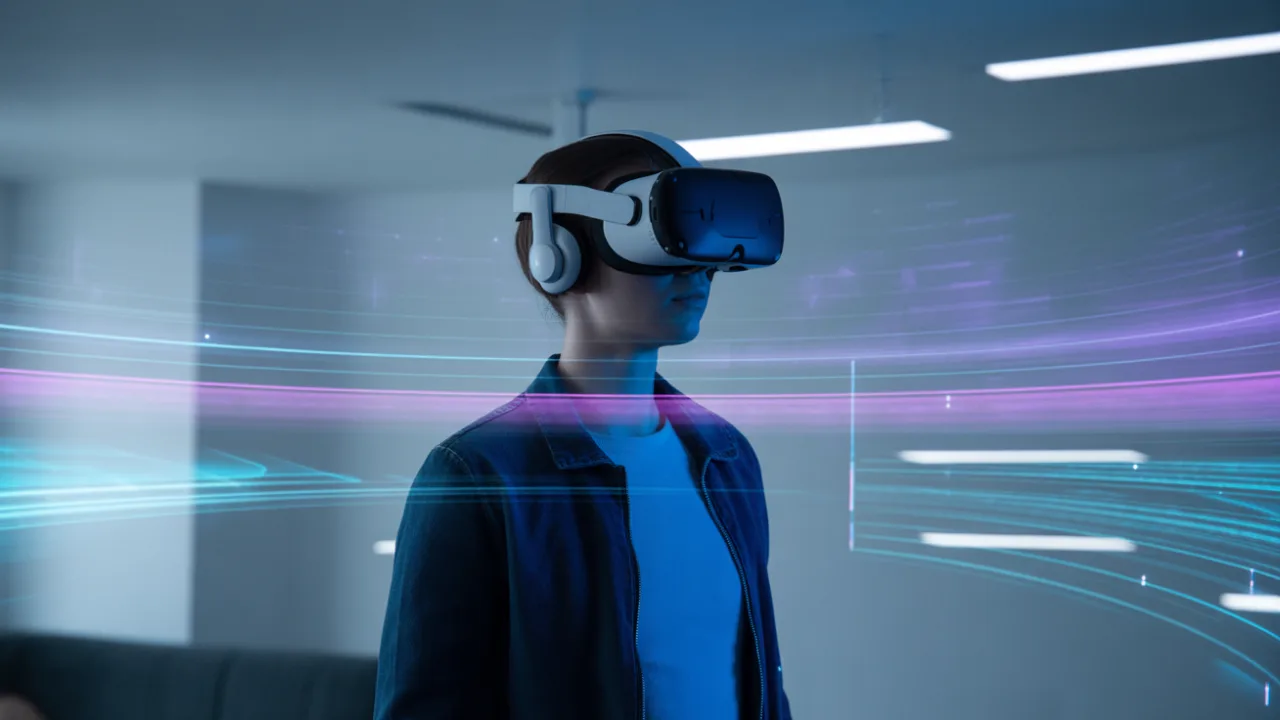
In 2021, the word metaverse was everywhere. It promised to reinvent how we live, work, and play – a dazzling digital universe where avatars met, brands built cities, and reality itself went virtual. Companies poured billions into the dream. Headlines called it “the next internet.”
And then, silence. By 2024, the hype had cooled. VR headsets gathered dust. Investors shifted toward artificial intelligence – the new darling of innovation. The metaverse, once the future, became a punchline.
But was it really a failure – or simply a seed still underground, waiting for the right conditions to grow?
The Rise and Retreat
Every technological revolution begins with overpromise. The metaverse followed the same script – explosive excitement followed by fatigue. At its core, the vision was seductive: an immersive digital world where we could attend concerts, shop, collaborate, and socialize without borders.
But reality intervened. Hardware was bulky, graphics were clunky, and the user experience often felt more lonely than liberating. People logged in out of curiosity, not habit. For most, the metaverse felt less like escape and more like effort.
The technology wasn’t ready – and neither were we.
The Quiet Evolution Beneath the Hype
Yet beneath the surface, the metaverse never truly disappeared. It evolved. While headlines moved on, engineers and designers kept building. Today, the idea is re-emerging – not as a fantasy of virtual utopia, but as a layered reality, seamlessly blending the digital and the physical.
Apple’s Vision Pro and Meta’s next-generation headsets mark the transition from “virtual world” to spatial computing: an ecosystem where digital content interacts with the real world instead of replacing it. Retail brands are building 3D experiences that mirror physical stores. Architects are designing spaces that exist simultaneously in both dimensions. The metaverse, quietly, is becoming infrastructure – not spectacle.
Culture Always Catches Up Later
The internet didn’t transform society overnight either. It took decades – from dial-up chaos to mobile fluidity – for culture, hardware, and bandwidth to align. The same patience applies here.
Today’s metaverse is less about fantasy avatars and more about digital embodiment – tools that let us collaborate, feel presence, and experience context beyond screens. In the next decade, as haptic feedback, lightweight wearables, and neural interfaces mature, immersion will stop feeling like escape. It will feel like extension.
What Comes After Hype
Perhaps the metaverse’s biggest challenge was its branding. The word itself became too heavy – too vague, too corporate. But the underlying concept – the convergence of physical and digital – is inevitable. AI will soon populate virtual spaces with intelligent agents. Blockchain will secure ownership of digital assets. 5G and edge computing will make latency disappear.
When these threads weave together, we won’t call it the metaverse anymore. We’ll just call it life online.
The future rarely dies. It just changes its name.
A Final Thought
The metaverse didn’t fail; it paused. It’s waiting for the world to catch up – for lighter headsets, better design, smarter incentives, and, most importantly, purpose.
Every era has its misunderstood visionary technology. The metaverse may yet prove to be ours – not as escapism, but as an evolved form of reality, one where presence, creativity, and connection finally meet.
The dream didn’t vanish. It’s simply getting real.