
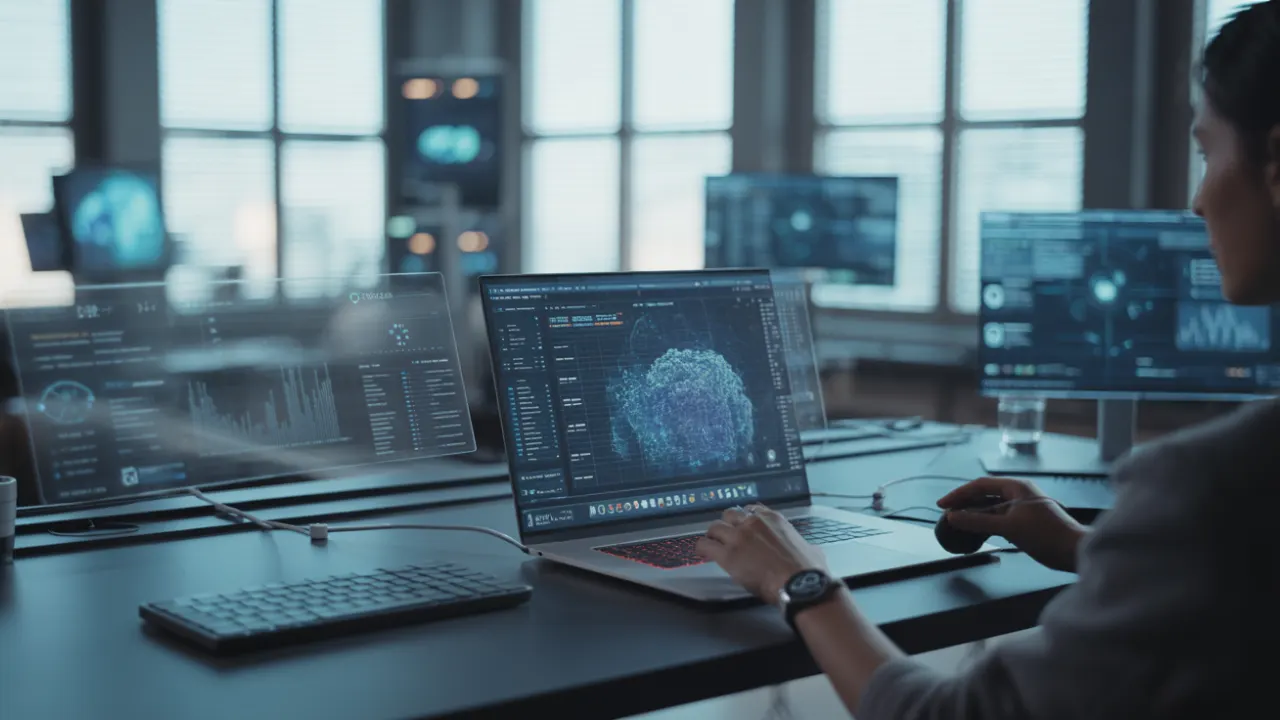
Just ten years ago, it was hard to imagine working from anywhere, managing projects via the cloud, and delegating tasks to artificial intelligence. But technology is rapidly transforming the world of work. Modern companies are transitioning to digital tools, and new professions are emerging faster than old ones disappear.
The future of work is already here-and it’s not just about gadgets, but also about how people interact with technology.
Automation: When Machines Take Over Routine Work
One of the key trends of the future is automation. Robots and algorithms are increasingly replacing humans in repetitive and labor-intensive processes.
-In manufacturing, automated production lines already perform assembly, packaging, and quality control faster and more accurately than humans.
-In the office environment, artificial intelligence processes documents, maintains databases, and even writes texts.
-In finance, algorithms predict markets and manage investments.
However, automation doesn’t destroy professions; it restructures them: employees are freed from routine tasks to focus on analysis, creativity, and strategy. The main challenge is learning to collaborate with technology rather than compete with it.
Remote Work and Flexible Employment Formats
The pandemic has given a powerful boost to remote work, and this trend is here to stay. Companies are now creating hybrid formats where the office, not the office, is what matters.
-Online platforms have made collaboration effective regardless of location.
-Employees can balance their work and personal lives, and businesses gain access to talent worldwide.
-A new concept is emerging: the digital nomad: a professional who works from different countries while remaining connected to the global network.
In the future, remote work will become the norm, and the office will become a place for creative encounters, not daily meetings.
New Professions and Digital Skills
As technology advances, professions that previously didn’t exist are emerging.
-Data scientists, artificial intelligence engineers, neural network developers, and cybersecurity analysts are becoming among the most in-demand.
-Marketers are learning to work with recommendation algorithms, and designers are creating interfaces for VR and AR environments.
-Even traditional professions-doctors, lawyers, and teachers-are actively mastering digital tools.To remain in demand, it’s important to develop soft skills: creativity, critical thinking, adaptability, and the ability to learn new things. After all, technology changes, but the ability to adapt remains a person’s main competitive advantage.
Artificial Intelligence as a Partner, Not a Competitor
AI is already being actively integrated into work processes, from task automation to decision-making assistance.
-In journalism, neural networks create drafts of texts that editors refine.
-In design, AI helps generate visual ideas, and in medicine, it detects diseases at an early stage.
-In education, algorithms adapt to the learning pace of each student.
Instead of fearing artificial intelligence, professionals are learning to use it as a tool that enhances their own abilities. In the future, success will depend not on who is smarter-humans or machines-but on how effectively they work together.
Ethics and Balance: Humans at the Center of Technology
Technological progress should not turn humans into applications. More and more attention is being paid to work ethics and psychological health.
-Companies are implementing digital well-being programs, limiting workload and time spent online.
-The field of “human-centered design”-technologies created with human emotions and needs in mind-is growing.
-Employers are beginning to value not only efficiency but also resilience-an employee’s ability to remain motivated without burning out.
The future of work isn’t a race against machines, but a symbiosis of technology and humanity. It’s the human being, not the algorithm, who gives meaning to what they do.