
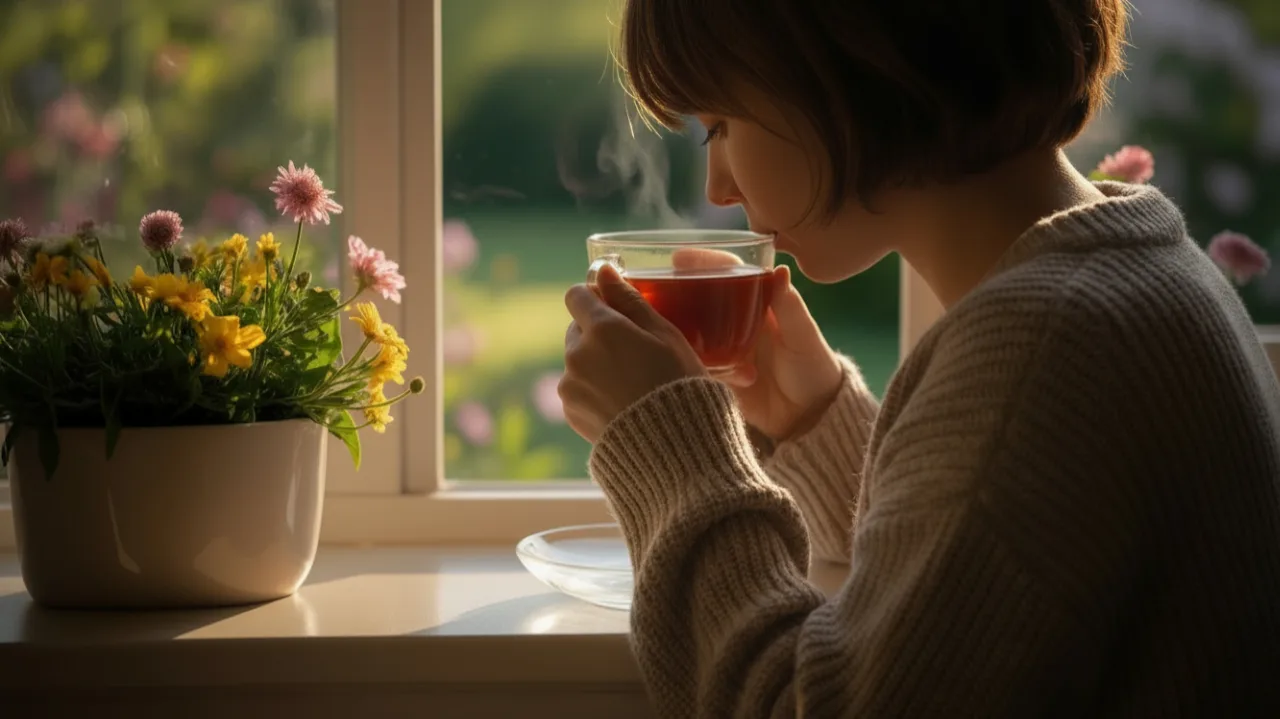
In a world where hundreds of messages arrive every day, business meetings blend into an endless stream, and our lives are measured by deadlines, more and more people are trying to find ways to slow down. The term “slow living” might sound ironic these days, when everything must be “fast” – from food to the internet. Yet, this idea is becoming increasingly popular as a response to exhaustion, constant stress, and the inner emptiness that millions of people feel.
But what does it really mean to live slowly? Is it an escape from civilization? Life in a village without Wi-Fi? In fact – no. Slow living isn’t about isolation or rejecting technology. It’s about awareness, priorities, deep presence in the moment, and saying no to constant chasing.
Returning to Yourself: What Is Slow Living
Mindful living begins with a simple question: “Am I living my life, or just running a program?” Many people grab their phones first thing in the morning, jumping into the stream of news, replies, and tasks – before even asking themselves: “How do I feel? What matters to me today?” Slow living begins with such questions.
It doesn’t mean moving slowly or being lazy. It’s not the opposite of productivity – it’s a more conscious definition of it. It’s a life with room for pauses, where the day isn’t planned to the second, and where there’s space for spontaneity and real rest.
Signs That Life Has Become Too Fast
Before finding your way to a slower life, it’s important to recognize that you’re living too fast. Here are some signs:
- You constantly feel tired, even after the weekend.
- It’s hard to concentrate; you often jump between tasks.
- Even during free time, you feel anxious that you’re “not doing enough.”
- You’re rarely fully present – during a conversation, a meal, or a walk.
- Your self-esteem depends on how much you’ve accomplished, not on the quality of your life.
These symptoms often mean that your inner rhythm no longer matches the outer one. You’re living at a pace that isn’t truly yours.
Simple Slow-Living Practices in the City
The biggest misconception is that slow living is only possible in the countryside or by the sea. You can practice it even in a big city.
- Start your day without your phone. Spend at least 15 minutes just with yourself – meditate, stretch, or enjoy making breakfast slowly.
- Eat without rushing. Try having lunch without screens, chew slowly, and taste your food.
- Make time for “nothing.” It could be 30 minutes on a park bench or a quiet evening walk.
- Plan less. Don’t overload your day with meetings and tasks, even pleasant ones.
- Be present. When you talk – listen; when you rest – don’t think about work.
Changing Your Mindset: From “Have To” to “Want To”
Most of us live under the rule of “have to”: we have to work more, be successful, never stop. We chase after this “have to,” ignoring what we truly “want.”
Slow living teaches us to tell the difference.
- Do I really need to answer that email at 11 p.m.?
- Do I actually want to go to this event, or am I afraid to seem antisocial?
- Does this purchase bring me joy, or am I just filling an emptiness?
Becoming aware of these questions – and answering them honestly – is the key to a calmer and happier life.
Slow Living Isn’t About Less, It’s About Better
Another myth is that slow living means fewer achievements or less success. In reality, it often brings more – more energy, more joy, more meaning.
When we reduce the noise, we hear ourselves better. When we stop running, we find direction. When we stop trying to prove something to the world, we start building a life guided by our own inner compass.
The Art of the Pause – The Key to Renewal
In music, a pause isn’t silence; it’s part of the melody. In life, it’s the space where we recover. Slow living is giving yourself permission to pause – without guilt. Just to be. Just to breathe.
Every pause isn’t wasted time – it’s an investment in yourself.
Conclusion: Living Slowly Is Choosing Yourself
The world won’t slow down. But we can change our attitude toward it. We don’t have to respond to every request, be productive 24/7, or live as if filming a reality show.
To live slowly means to be present in your own life, to choose quality over quantity. It means starting your day not by checking the news, but by checking in with yourself. It’s about not losing what matters most – yourself – in the chaos of tasks, ambitions, and expectations.
Life doesn’t have to be a race. It can be a journey – where every step truly matters.