
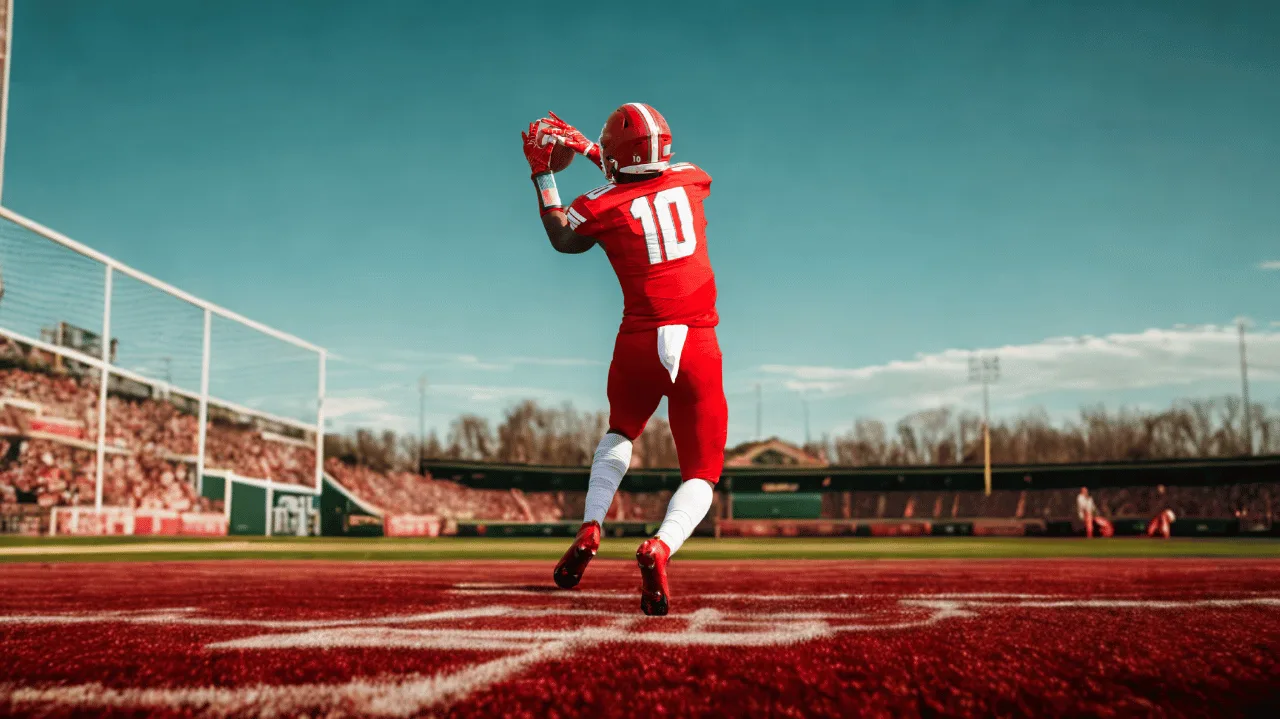
Team games aren’t just about sports and physical activity. They help develop personal qualities, teach teamwork, and teach how to overcome challenges. Team training is a small life lesson that carries over into studies, work, and everyday relationships. In this article, we’ll explore what team training teaches and why it’s so important for everyone.
Developing Team Spirit and Cooperation
Training together teaches you to work together, not just for yourself. In team games, it’s important to understand others’ goals, help your teammates, and support the team. Players learn to negotiate, assign roles, and collaborate on solutions in difficult situations. This experience helps develop communication skills and teaches you to consider the interests of others. Even simply passing the ball or helping a teammate in a training exercise fosters the habit of working toward a shared goal, not just personal achievement.
Responsibility for Your Actions
In a team game, every participant is important, and the success of the entire team depends on them. Players understand that one mistake can impact the entire group’s performance. This fosters a sense of responsibility and discipline. Regular practice together helps them realize that success is achieved through everyone’s efforts, and that responsibility for one’s actions is the key to building trust within the team.
Developing Strategic Thinking
Team sports teach players to analyze situations and make quick decisions. Players learn to anticipate their opponents’ actions, choose the optimal path, and plan their actions in advance. This strategic thinking is useful not only on the field but also in everyday life: in school, work, and when solving personal problems. Training together develops the habit of thinking ahead and considering the consequences of every decision.
Coping with Defeats and Celebrating Victories
Team training teaches them to accept both victories and defeats. When a team loses, it’s important to remain calm, analyze their mistakes, and move on. Victories, however, become especially joyful because they are shared by all team members. This experience fosters resilience, the ability to keep emotions under control, and the ability to celebrate the results achieved through teamwork.
Supporting and Motivating Each Other
Team training teaches players not to abandon their teammates in difficult situations. Players motivate each other, help each other overcome fatigue, and continue training even when they feel like giving up. This support develops empathy skills, the ability to inspire, and the ability to work together toward a common goal. By learning to motivate others and receive support themselves, a person becomes more confident and resilient in the face of difficulties.
Healthy Lifestyle and Discipline
Regular training improves physical fitness and improves health. Team games make sports interesting, as participants enjoy not only the exercise but also the interaction with their teammates. This helps develop healthy lifestyle habits. Furthermore, training instills discipline: they need to arrive on time, complete assignments, and follow the rules of the game. This discipline carries over to other areas of life, making a person more organized.