
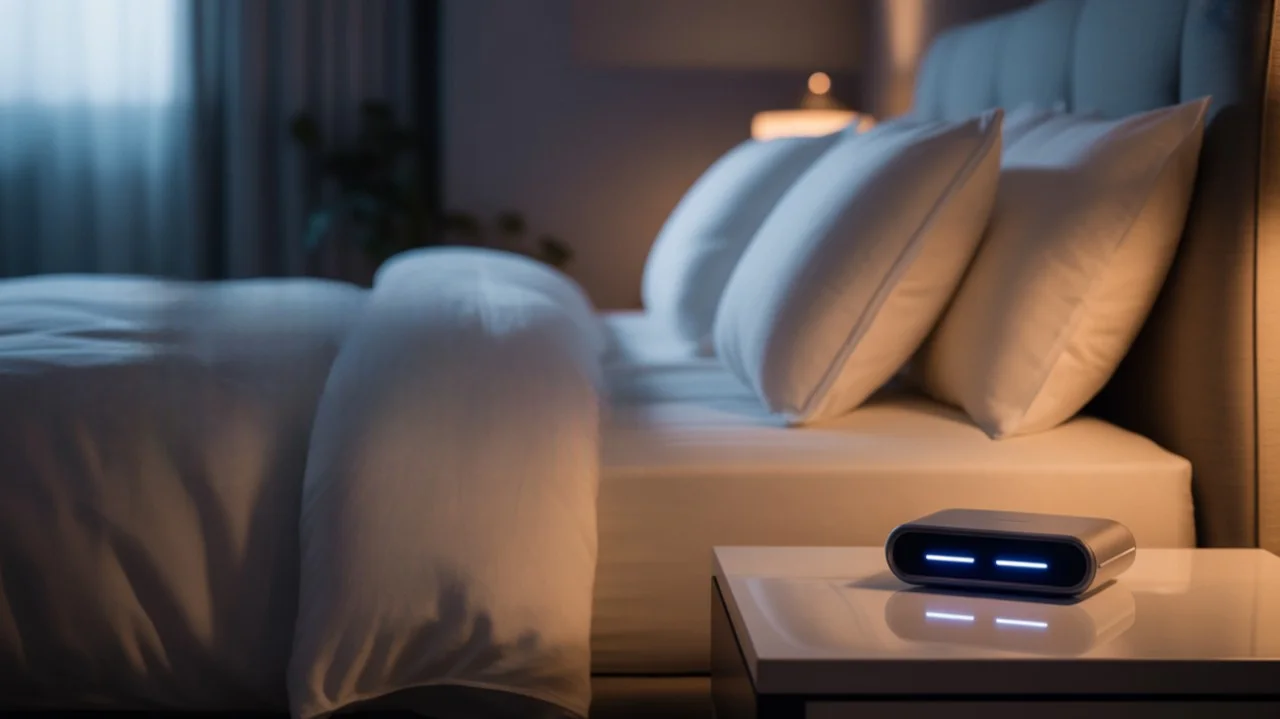
Once upon a time, bragging about sleepless nights was a badge of honor. “I’ll sleep when I’m dead,” people joked, glorifying the grind and equating exhaustion with ambition. But in 2025, the narrative has flipped. Sleep – once dismissed as passive, indulgent, or unproductive – has become the ultimate symbol of intelligence, luxury, and control.
The world’s most successful people aren’t boasting about burning the midnight oil anymore. They’re comparing deep-sleep scores, investing in sleep retreats, and treating their bedrooms like wellness sanctuaries. In the era of overstimulation, rest is rebellion. The ability to unplug, to truly drift into restorative stillness, signals not laziness but power.
The Sleep Renaissance
In fashion and culture alike, the mood of the decade is shifting from adrenaline to alignment. The pursuit of “doing more” has given way to the art of recovering better. Sleep, once invisible, is now a pillar of modern wellness – as essential as diet and movement.
The sleep economy is booming. From personalized mattresses and AI-regulated lighting to temperature-controlled sheets and wearable trackers, an entire industry is devoted to optimizing our nights. Celebrities champion sleep as their secret weapon; CEOs schedule bedtime like a board meeting. “Eight hours” is the new elite mantra – and anyone bragging about sleeping four is quietly outdated.
Science supports the trend: consistent, high-quality sleep improves everything from emotional stability to cognitive precision. But beyond health, sleep has become a lifestyle statement – the embodiment of self-respect in a culture addicted to overwork.
Rest as a Form of Resistance
In an always-on world, choosing to rest is a radical act. Sleep is the great equalizer, the invisible luxury that cannot be bought – only earned through discipline and awareness.
Today’s tastemakers know this. Instead of late-night parties, they indulge in “sleep hygiene rituals”: silk eye masks, lavender diffusers, white-noise machines. The new power couples aren’t spotted at afterparties but at sunrise walks. Even social media reflects the shift – #SleepTok is trending, filled with slow videos of night routines, weighted blankets, and the soft hum of evening calm.
This cultural pivot speaks to something deeper: we crave serenity more than status. Sleep has become a symbol of boundaries – the ability to say no to notifications, yes to restoration. In the economy of attention, focus and rest are the rarest currencies.
Designing the Perfect Night
Just as fashion once tailored the body, design now tailors the mind for slumber. Bedrooms are being reimagined as temples of tranquility. Warm amber lighting replaces blue screens; minimalist aesthetics replace clutter. Linen sheets, memory foam, and natural fibers reign supreme. Even fragrance has entered the equation – neroli, chamomile, and vetiver scents crafted to ease the nervous system into softness.
Luxury hotels are capitalizing on the movement with “sleep concierge” services: pillow menus, aromatherapy, noise-canceling architecture. High-end resorts in Switzerland, Bali, and the Maldives now offer sleep immersion retreats, complete with sleep coaching, brainwave tracking, and digital detox programs.
The Science of Serenity
Behind the aesthetics, a revolution in neuroscience fuels the fascination. Researchers now refer to sleep as the brain’s spa day – a nightly cleanse that resets mood, immunity, and memory. During deep sleep, the brain flushes out toxins, repairs tissues, and consolidates learning. It’s not rest; it’s renovation.
Modern technology has transformed this understanding into practice. Smart rings and sleep apps track micro-cycles, predicting optimal bedtime based on hormonal rhythms. Blue-light glasses filter the chaos of screens. Magnesium supplements, adaptogens, and “sleep gummies” have entered the mainstream, marketed as elixirs for the modern insomniac.
Still, the ultimate secret remains timeless: dark rooms, quiet spaces, and permission to slow down.
The New Luxury Is Stillness
In 2025, the most coveted lifestyle isn’t about speed – it’s about stillness. The icons of influence now embody calmness, not chaos. Their success stories are whispered in the language of ritual: winding down with herbal tea, journaling by candlelight, listening to ambient soundscapes before bed.
Sleep has transcended wellness – it’s now a mark of sophistication. To sleep deeply is to declare: I value myself enough to rest. It’s elegance in its purest, most private form.
From Hustle to Harmony
The hustle culture of the past decade sold us the myth that rest was weakness. Now, the smartest voices in fashion, tech, and business are reclaiming the opposite truth: rest is refinement. It’s the difference between burnout and brilliance, between chaos and clarity.
In the same way we once flaunted luxury watches, we now flaunt sleep data. Eight hours of uninterrupted rest has become the new diamond bracelet – subtle, precious, and deeply personal. The real elite no longer chase time; they curate it.
The Age of Conscious Rest
We’re entering an era where rest is the new rebellion – and recovery, the new revolution. The future belongs to those who know when to pause. Sleep is not an escape from life but a return to it – the place where the mind heals, the skin regenerates, and the soul recalibrates.
In the quiet of night, power takes a softer shape. The world’s most radiant people aren’t the ones staying up the latest, but the ones who wake up glowing – restored, renewed, and ready.
So, when someone asks what your next big investment is, you might simply answer: A good night’s sleep.
Because in 2025, being well-rested is the truest luxury of all.