
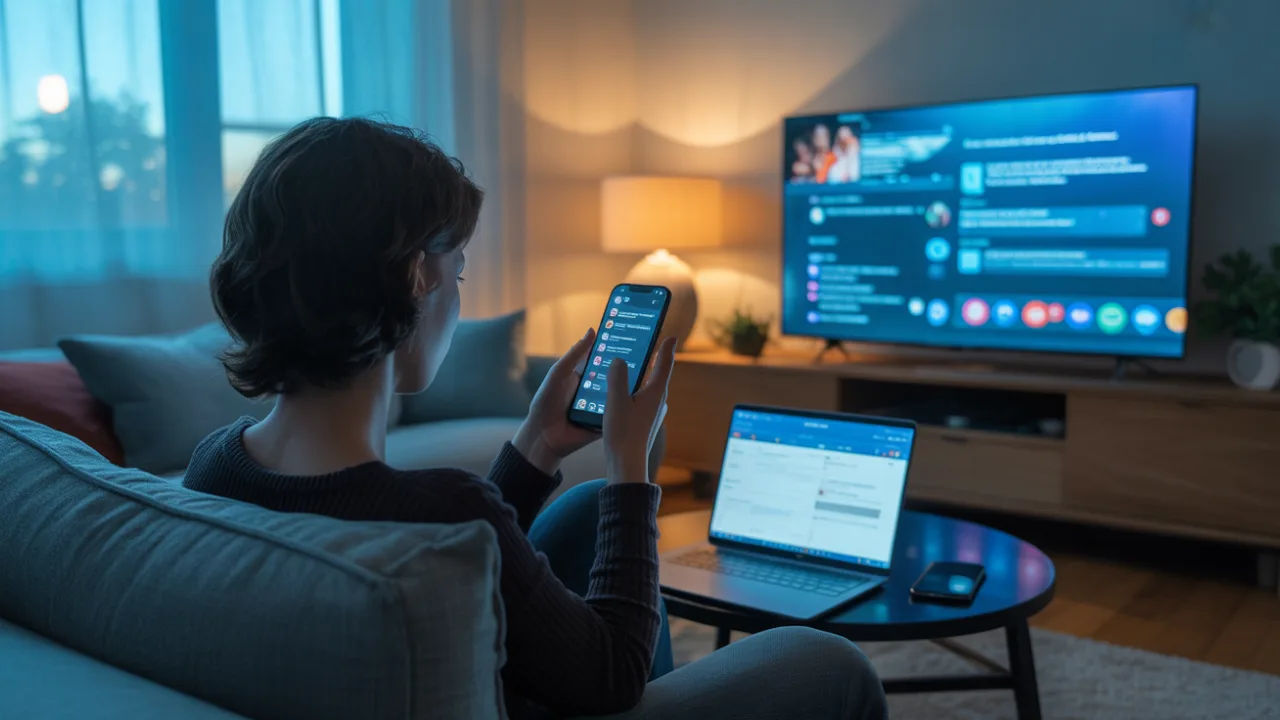
Once, mornings began with sunlight. Now, they begin with screens. Before we’ve spoken a word, we’ve already scrolled through a hundred lives – filtered smiles, perfect breakfasts, breaking news, and quiet envy disguised as curiosity. Social media has become our shared mirror, reflecting both the best and most fragile parts of being human.
What started as a tool for connection has evolved into the architecture of modern identity. We no longer just live our lives – we curate them. Every story, post, and like builds an invisible version of ourselves, projected into the endless feed of comparison and approval.
But the question lingers: are we using social media, or is it using us?
The Double Life of Connection
There’s no denying its brilliance. Social media connects continents, fuels revolutions, and gives voice to those once unheard. It has democratized creativity, allowing anyone with a phone to share, build, and belong. A single post can spark a movement; a story can humanize a stranger.
And yet, beneath the glow of constant connection, loneliness has quietly multiplied. Psychologists call it “the paradox of digital intimacy”: the more we scroll, the less we feel seen. Likes mimic validation but rarely replace it. We’ve learned to measure self-worth in metrics – engagement rates, followers, impressions – forgetting that the truest form of connection happens offline, in unfiltered moments.
“Social media is emotional caffeine,” says Dr. Amira Shah, a behavioral psychologist who studies the intersection of technology and mental health. “It gives a quick hit of attention, but it doesn’t nourish you. Over time, you crash.”
The Psychology of the Scroll
Each platform is engineered for compulsion. Dopamine – the brain’s pleasure chemical – spikes every time you refresh your feed. The algorithms learn what keeps you hooked: who you linger on, what outrages you, what delights you. Your attention becomes the currency, your emotion the product.
“Social media isn’t neutral,” Dr. Shah explains. “It’s a behavioral lab that studies you in real time.”
The result is what scientists call continuous partial attention – the inability to focus deeply on anything because you’re perpetually waiting for something new. It’s why you can spend an hour online and still feel unsatisfied, as if you’ve eaten emotional fast food – full, yet empty.
Identity in the Age of Filters
Perhaps the most subtle influence of social media is on who we think we are. We build digital selves like brands – polished, edited, always performing. The gap between our online and offline realities can widen until authenticity feels like an act.
Yet there’s a strange tenderness in it too. Behind every post is a universal desire: to be seen, to belong, to matter. “Social media amplifies our deepest human instincts,” says Dr. Shah. “The need for recognition, the fear of rejection, the longing for meaning. It’s not artificial – it’s ancient. The medium has changed; the emotions haven’t.”
For younger generations, identity now forms in pixels. Teenagers measure milestones not in diaries but in followers. For adults, careers rise and fall by visibility. Even rest becomes content – a new kind of pressure disguised as leisure.
The Cost of Constant Comparison
Scrolling through perfection, we forget that everyone else is doing the same. Social media breeds comparison as subtly as it breeds connection. We compare our behind-the-scenes to everyone else’s highlight reel, often unaware of how carefully it’s staged.
Studies show that excessive screen time correlates with higher levels of anxiety, depression, and body dissatisfaction – particularly among young women. The filtered world reshapes our expectations of beauty, success, even love. What once belonged to private moments – a morning face, a quiet failure, a pause – is now curated for public approval.
Reclaiming the Feed
Still, detox isn’t the only answer. What we need is digital awareness, not digital abstinence. Social media can nourish as much as it drains – if used consciously.
Here’s how to reclaim control in a world of constant scroll:
- Curate your input. Follow people and brands that inspire rather than exhaust you.
- Set digital rituals. Morning without screens. Night without notifications.
- Post with intention. Share what’s real, not what’s expected.
- Pause before you react. A single mindful breath can turn reactivity into reflection.
“Technology should serve humanity, not hijack it,” Dr. Shah reminds. “We can’t eliminate the noise, but we can choose how loudly it plays.”
The New Meaning of Presence
Ultimately, the future of social media is not technological – it’s psychological. It’s about learning to be both connected and conscious, to scroll without losing the thread of who we are.
Because the most important updates don’t come from a feed – they come from within. A conversation without cameras. A walk without a phone. The simple act of noticing your own thoughts before the algorithm does.
In a culture obsessed with visibility, presence is the new power.
Social media has rewired our world – but it’s still ours to design. The next evolution of digital life won’t come from new apps or filters. It will come from awareness – from the courage to look up, unplug, and live the unedited version of your own story.