
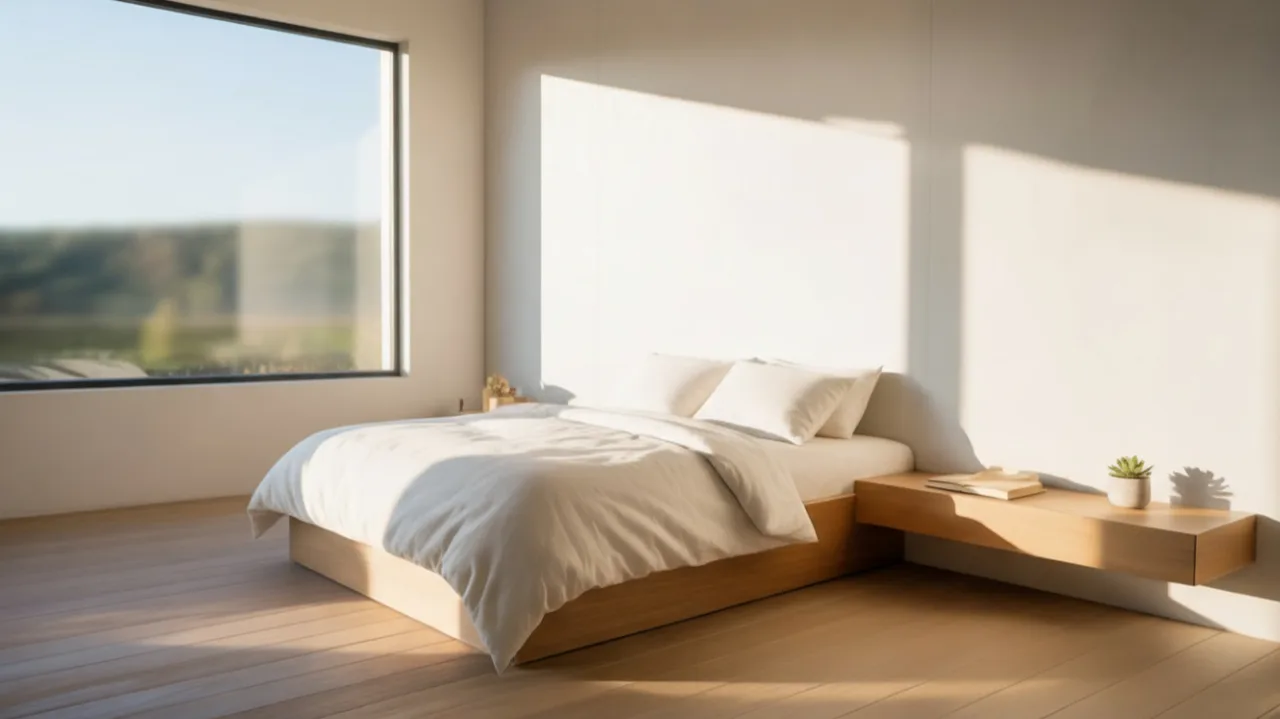
Minimalism isn’t just a trend or a pretty Pinterest picture where everything is white, clean, and symmetrical. It’s a life philosophy that helps you free yourself from excess so you can focus on what truly matters. This idea is especially relevant at home – the place that should be a source of comfort, not stress.
Modern people live in abundance – of things, information, noise, and obligations. All of this creates invisible clutter that prevents us from breathing freely. That’s why more and more people turn to minimalism not as an interior design style but as a way of life that helps eliminate chaos – both external and internal.
What Minimalism Really Means
Minimalism in everyday life isn’t about rejecting comfort. It’s about choosing simplicity, clarity, and functionality. It’s not about living with just one chair and a bed – it’s about having only what you truly need and what adds value to your life.
It might look like this:
- A wardrobe with clothes you actually wear and love.
- A kitchen without ten unnecessary gadgets you haven’t used for years.
- Simple, comfortable furniture instead of piles of cabinets filled with forgotten things.
- Simple habits – like cleaning up right away to avoid clutter.
Minimalism is, above all, an awareness of why you own each thing. It’s not about asking, “Can I afford this?” but “Does this make my life better?”
Why We Accumulate Too Much
We aren’t born wanting to own everything. Accumulation is a reaction to external influences – advertising, social pressure, fear of missing out (FOMO), and consumer culture.
Objects often serve emotional functions for us:
- They compensate for inner lack (e.g., stress shopping).
- They create a sense of stability (“just in case”).
- They show status or taste.
But these functions are illusions. Over time, things stop bringing joy – instead, they become a burden: moral, physical, and energetic.
What Happens When You Get Rid of the Excess
- More space. You suddenly see your home – lighter, cleaner, calmer.
- Fewer decisions. Fewer things mean fewer choices. A wardrobe of 20 perfect items is better than 100 where “there’s nothing to wear.”
- Easier cleaning. A tidy space is easier to maintain. Everything has its place.
- Mental clarity. When there’s order around you, your mind feels lighter too. You stop constantly remembering where everything is.
- Focus on what matters. Without visual and physical noise, you can hear your real needs and desires.
How to Start: Minimalism in Action
You don’t need to throw everything out in one day. Start small:
- One drawer or shelf. Pick a spot and examine what’s there. What do you truly need? What’s just taking up space?
- The “Have I used it this year?” method. If not – you probably don’t need it.
- Sort by category. Start simple: clothes, dishes, cosmetics, papers.
- One in – one out rule. When you buy something new, let go of one old thing.
- Avoid “for later.” Don’t keep things “just in case.” 95% of them will stay unused for years.
Minimalism Isn’t Always About Throwing Things Away
Minimalism isn’t about destroying your possessions – it’s about treating them responsibly. If you decide to part with something:
- Give it to friends or charity.
- Sell it on a marketplace.
- Recycle or upcycle it.
This way, you’re not only clearing space but also contributing to a more sustainable lifestyle.
Minimalism in Daily Habits
Minimalism isn’t just about physical things. It also applies to your mindset and everyday choices:
- Avoid multitasking.
- Limit time on social media.
- Set clear boundaries in communication – no toxic contacts.
- Learn to say “no” – to invitations, projects, even ideas that don’t inspire you.
This creates not only external order but also inner clarity and peace.
Is Minimalism Possible with a Family or Kids?
Yes, though it looks a bit different. Children can also learn to choose their favorite toys and take responsibility for their things. Family minimalism isn’t about restriction – it’s about creating a shared environment where everyone feels good.
The Lasting Benefits
Minimalism doesn’t guarantee happiness, but it creates conditions where harmony is easier to find. When there’s no visual chaos, when everything has its place, and when you don’t waste energy searching – you gain energy for what truly matters.
Instead of things, you gain:
- Time.
- Energy.
- Space.
- Awareness.
- Freedom.
Conclusion: Less Isn’t Worse – Better Is Less
Minimalism in everyday life isn’t about sacrifice. It’s about choice – the willingness to let go of what doesn’t serve your well-being for the sake of what truly matters.
It’s a path to a lighter life – not a perfect one, not an empty one, but a life filled with what’s real.